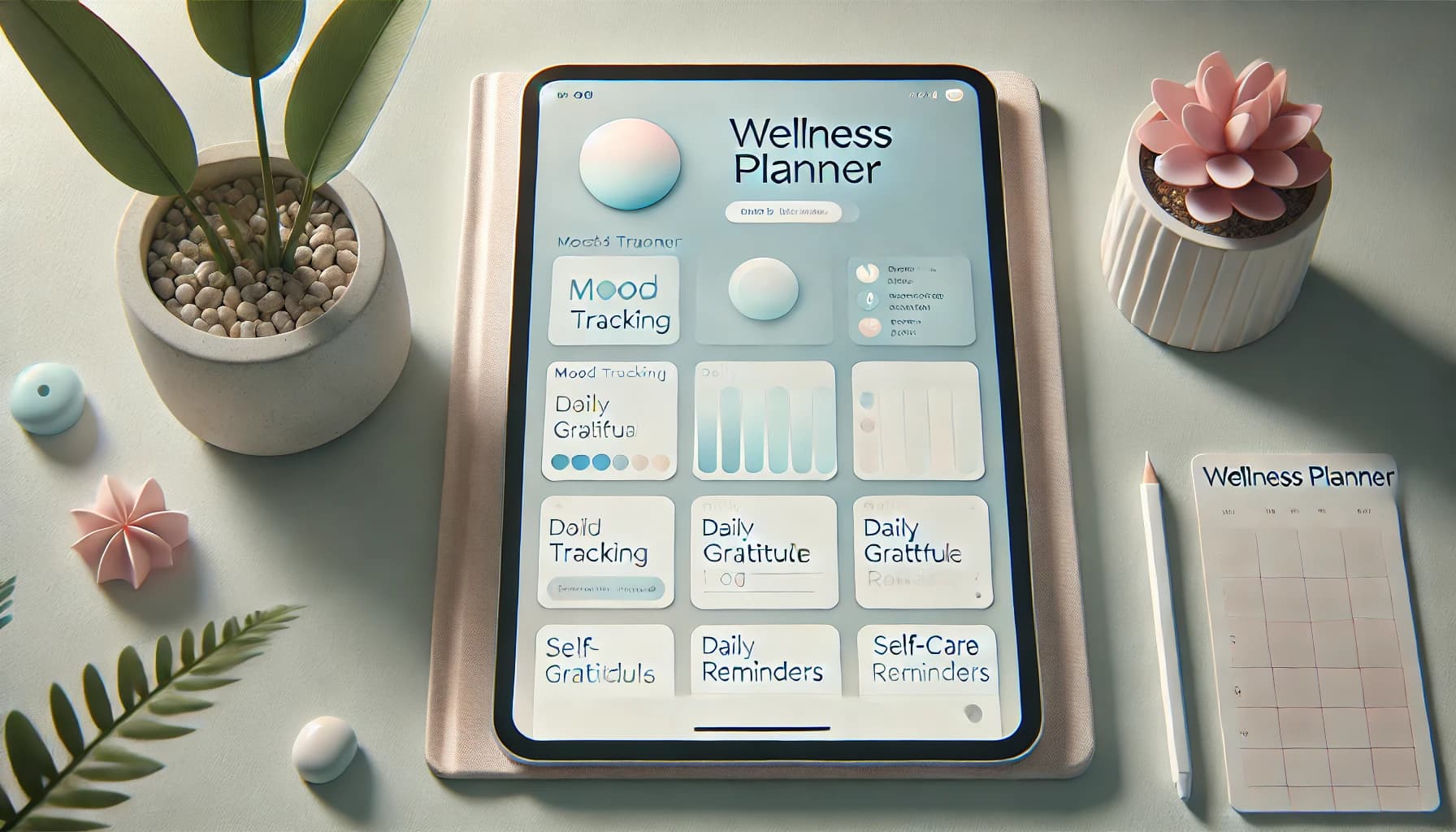

Title: How a Planner Can Improve Your Mental Health and Well-being
Meta Description: Discover how using a planner can boost mental health by reducing stress, enhancing productivity, and helping you achieve a balanced lifestyle. Start prioritizing your well-being today.
Key Takeaways
- Reduce Stress: A planner helps clear mental clutter by organizing tasks and deadlines.
- Boost Productivity: Structured planning leads to more efficient use of time.
- Encourage Mindfulness: Reflective planning promotes self-awareness and mental well-being.
- Track Wellness Habits: Planners can track habits like sleep, exercise, and self-care.
- Set Boundaries: Establish a balanced routine by scheduling rest and relaxation.
How a Planner Can Improve Your Mental Health and Well-being
Managing mental health and well-being can feel overwhelming in today’s busy world. Stress, lack of time, and juggling various commitments can weigh heavily on our minds. However, using a planner provides a simple yet effective tool to help bring balance, reduce anxiety, and promote a healthier lifestyle. By organizing tasks, setting goals, and making time for self-care, a planner can be an empowering tool to support your mental health journey. Here’s how.
1. Reduces Stress and Mental Clutter
One of the most significant benefits of using a planner is its ability to reduce stress. When tasks and appointments are scattered or remembered only in your mind, it’s easy to feel overwhelmed. Writing down tasks in a planner creates a “home” for all those reminders, allowing you to offload mental clutter and feel more in control.
With a planner, you can:
- Schedule Tasks and Appointments: Knowing exactly when tasks are due minimizes last-minute scrambling.
- Set Reminders and Deadlines: Having clear timelines helps you stay on track without added stress.
- Create a Visual Overview of Your Week: Seeing your schedule laid out can alleviate anxiety and prevent task overload.
By freeing up mental space, a planner helps reduce the cognitive load on your brain, which directly supports mental clarity and peace of mind.
2. Enhances Productivity and Creates a Sense of Accomplishment
A planner allows you to prioritize tasks and manage time efficiently, leading to enhanced productivity and a sense of accomplishment. High productivity can directly improve mental health by reducing the stress of unfinished tasks and providing a feeling of progress and achievement.
For example:
- Set Daily or Weekly Goals: Achieving small goals builds momentum and increases motivation.
- Break Down Tasks into Manageable Steps: Tackling tasks in steps prevents overwhelm and keeps you focused.
- Celebrate Small Wins: Checking off completed tasks offers a sense of satisfaction, reinforcing positive mental health.
When you end your day with completed tasks, it contributes to a positive mindset, boosting self-esteem and reducing feelings of anxiety or stress.
3. Encourages Mindfulness and Self-Reflection
Mindfulness is the practice of staying present and aware, and a planner can be an excellent tool for fostering this habit. By spending a few minutes each day reflecting on your goals, priorities, and intentions, you naturally develop self-awareness.
A planner can help with mindfulness by:
- Setting Daily Intentions: Write down what you aim to focus on each day, helping you stay present in your priorities.
- Journaling Brief Reflections: At the end of the day, jot down a quick reflection on what went well and what you’d like to improve.
- Practicing Gratitude: List one or two things you’re grateful for each day to cultivate a positive outlook.
Taking these moments to reflect helps reduce stress, build emotional resilience, and promote mental well-being.
4. Tracks Wellness Habits and Self-Care Routines
Physical health and mental health are closely linked, and a planner can help you track habits that contribute to overall wellness. From sleep and exercise to hydration and relaxation, maintaining healthy routines has a significant impact on mental well-being.
Consider tracking:
- Sleep Patterns: Adequate sleep improves mood, memory, and stress management.
- Exercise Routine: Regular physical activity is known to boost endorphins, which reduce feelings of anxiety and depression.
- Self-Care Activities: Schedule time for hobbies, social connections, and relaxation to ensure a balanced life.
By monitoring these routines, you can identify patterns and make adjustments to better support your mental health and well-being.
5. Helps Set Boundaries and Prioritize Downtime
Achieving balance is key to mental health, and a planner can help you set boundaries between work, obligations, and personal time. Scheduling breaks and leisure time within your planner reinforces the importance of rest and prevents burnout.
Ways to use your planner to set boundaries:
- Block Out Free Time: Reserve time for relaxation, family, and hobbies to prevent over-committing.
- Plan Digital Detox Periods: Set aside tech-free time to give your mind a rest from screens and notifications.
- Balance Work and Life Tasks: Include both personal and professional tasks to ensure neither dominates your schedule.
By planning for downtime, a planner helps you prioritize self-care and create a healthy, balanced routine that fosters mental well-being.
Ready to Boost Your Mental Well-being?
Using a planner isn’t just about staying organized—it’s about supporting a healthy, balanced lifestyle that benefits your mental health. From reducing stress to tracking wellness habits and setting boundaries, a planner is a powerful tool that makes it easier to care for your mind and body.
Experience the mental health benefits of organized planning with Planners AI. With customizable templates, goal-tracking tools, and reminders for self-care, Planners AI makes it easy to prioritize well-being and build a life that nurtures your mental health.
Start your journey to a healthier, more balanced life with Planners AI today!